Baseball Netting & Batting Cages
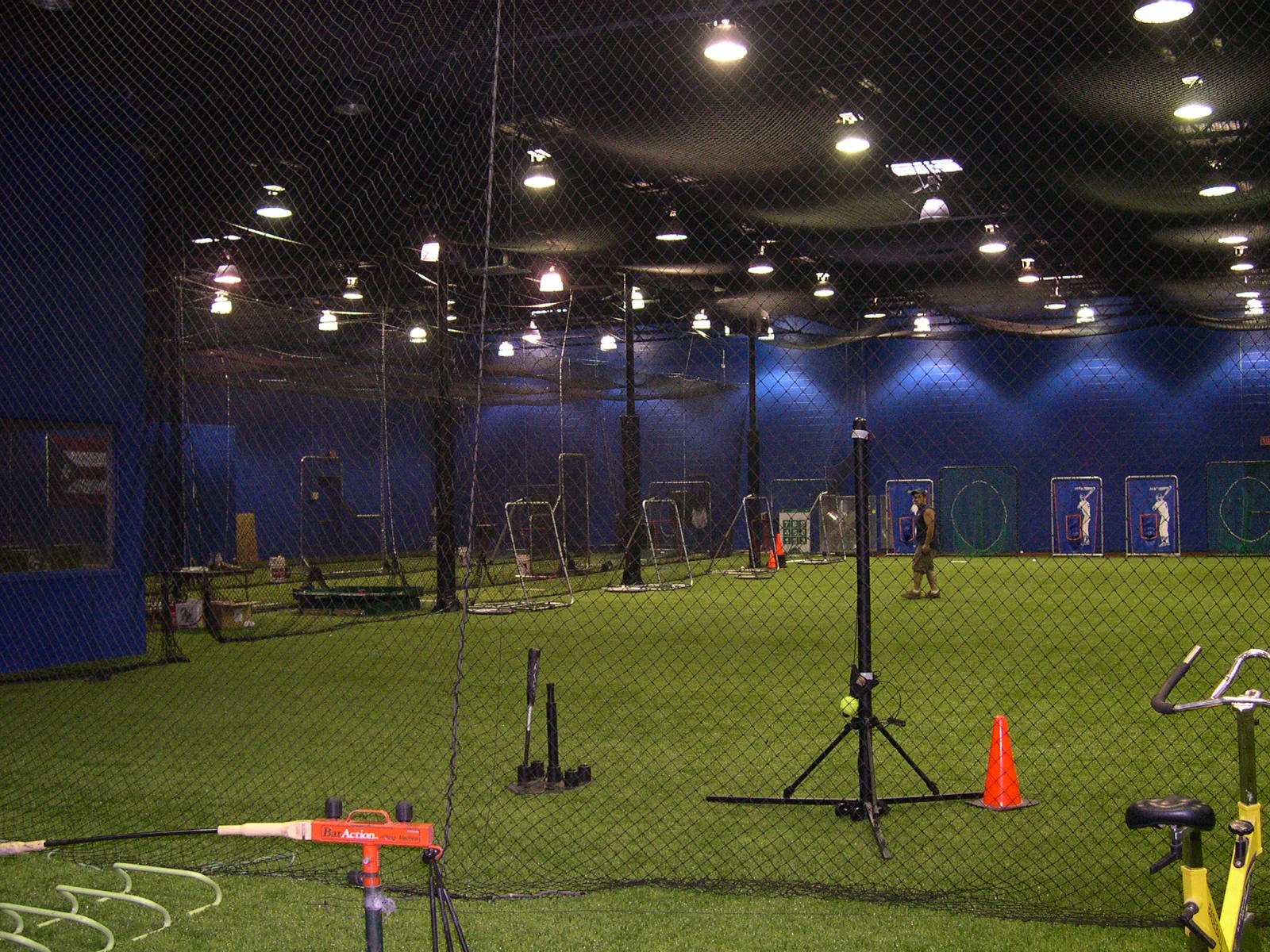
Baseball Netting Installation for Fields, Backstops & Batting Cages
| NETServices provides baseball netting installation, backstop netting and batting cage netting installation for parks departments, schools, Little League fields, training facilities and professional venues throughout the United States. With 24 years in business, 35 years of industry experience and 1,776 projects completed, we plan each system around the field layout, the people who use the facility and the property around it. Our sports facility netting work covers design, poles and supporting structures, installation, replacement and repair, using American-made materials. |
Sports Facility Netting for Every Type of Baseball Program
Facility managers come to us with different goals. A city park needs to protect a parking lot and a playground, a school needs a safer backstop before the season opens, and a training facility needs hitting lanes that hold up to daily use. The table below shows where baseball field netting is typically planned.
| Facility | Common netting needs |
| Parks and recreation departments | Backstop netting, foul line barriers near roads, parking and playgrounds, outdoor batting cages |
| Schools, colleges and youth leagues | Backstop systems, spectator protection behind home plate and dugouts, practice cages |
| Indoor training facilities | Batting cage lanes, divider netting between practice areas, overhead netting |
| Multi-field complexes and stadiums | Grandstand screens, tall perimeter and foul line netting, poles and cable systems across several fields |
Baseball Backstop Netting & Grandstand Screens
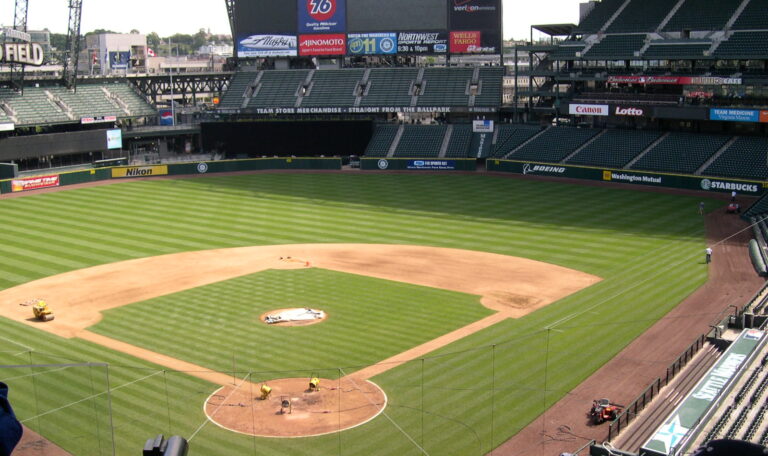
Backstop netting and grandstand screens help reduce spectators’ exposure to foul balls behind home plate, along the dugouts and around seating. NETServices designs and installs complete baseball backstop systems, including the poles, cables and hardware that support the netting. Pole placement and netting selection have to balance protection with the view from the stands, so the layout is based on your actual seating, walkways and activity areas rather than a stock design.
Foul Line & Baseball Field Barrier Netting
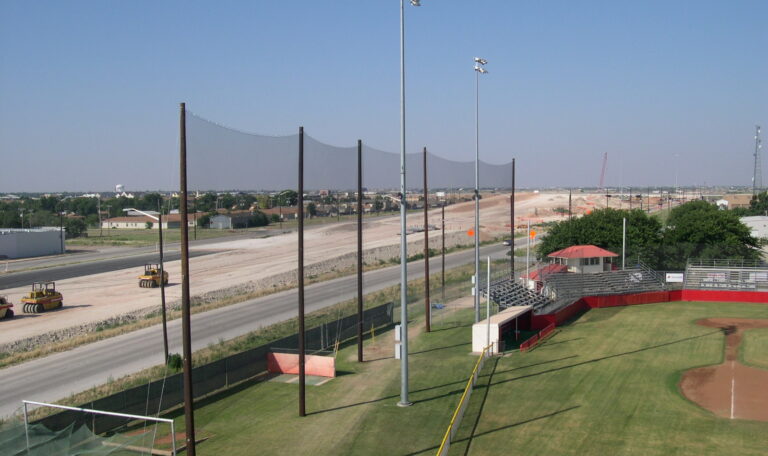
Foul line and barrier netting help keep balls away from roadways, parking lots, neighboring homes and other fields. We look at field orientation, the areas needing protection and where balls tend to leave the field before recommending the height, position and support arrangement of the system. For fields close to busy areas, a well-planned barrier can be one of the most practical safety improvements a facility makes.
Outdoor Batting Cage Netting Installation
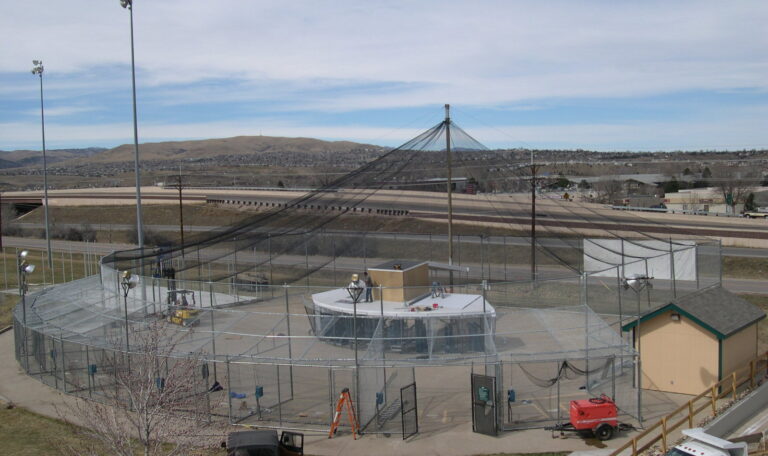
Outdoor batting cages give teams and training programs dedicated practice space. We install the netting and support system around the available footprint, the number of lanes, access for players and staff, and how heavily the cages will be used. Netting, cables and attachment points are selected for outdoor exposure and repeated ball impact.
Indoor Batting Cages & Training Facility Netting
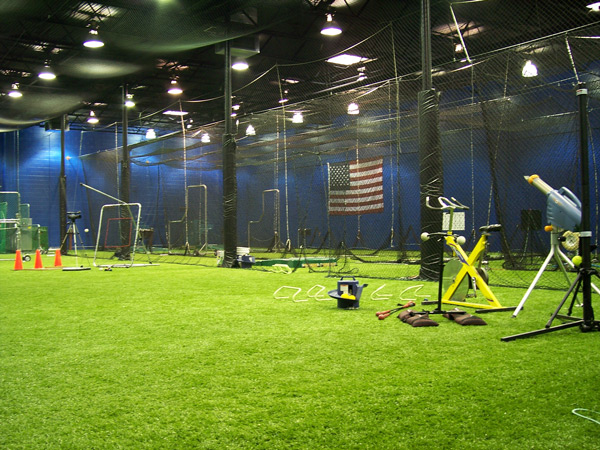
Indoor batting cages and training nets support year-round practice in schools, gyms and private training facilities. We plan each enclosure around the building’s dimensions and available attachment points, with attention to access and separation between practice areas. Ceiling obstructions, lighting, doors and the intended use of each lane are important details to share early.
Batting Cage Net Repair & Replacement
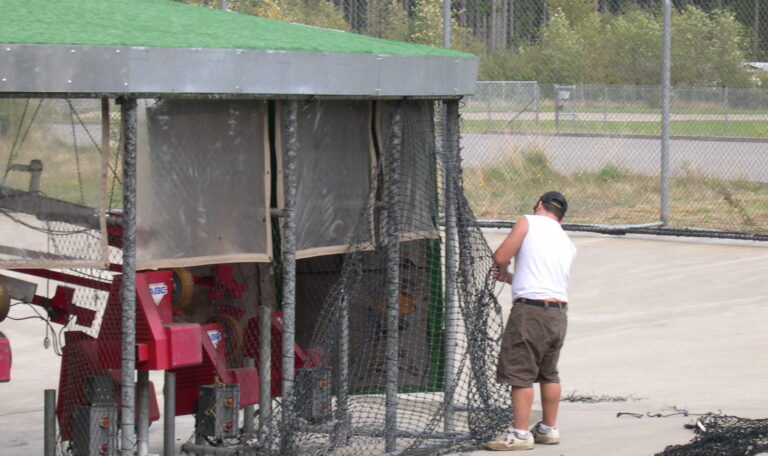
Holes, worn strike zones, sagging panels and loose hardware are common on cages and backstops that see daily use. We inspect existing systems, repair damaged netting and hardware, and replace worn batting cage nets and backstop panels as part of our netting repair and maintenance services. A damaged panel does not always mean the whole system needs replacing; the condition of the surrounding netting, cables, attachment points and poles determines the right scope. Photos of the damage and the full installation are the best place to start.
Netting Materials
NETServices primarily uses American-made knotted nylon netting (DuPont Type 66-728), dyed black, bonded and UV stabilized, with twine sizes and mesh configurations matched to each application. Learn more about our netting materials and design and engineering support.
Project Spotlight:
Big League Dreams Las Vegas
At Big League Dreams Las Vegas, NETServices installed 181 steel poles in just six days. The completed baseball netting systems spanned 6,800 linear feet. The project photographs and video follow construction from pole installation through the finished netting, showing the scale of the work across the complex.
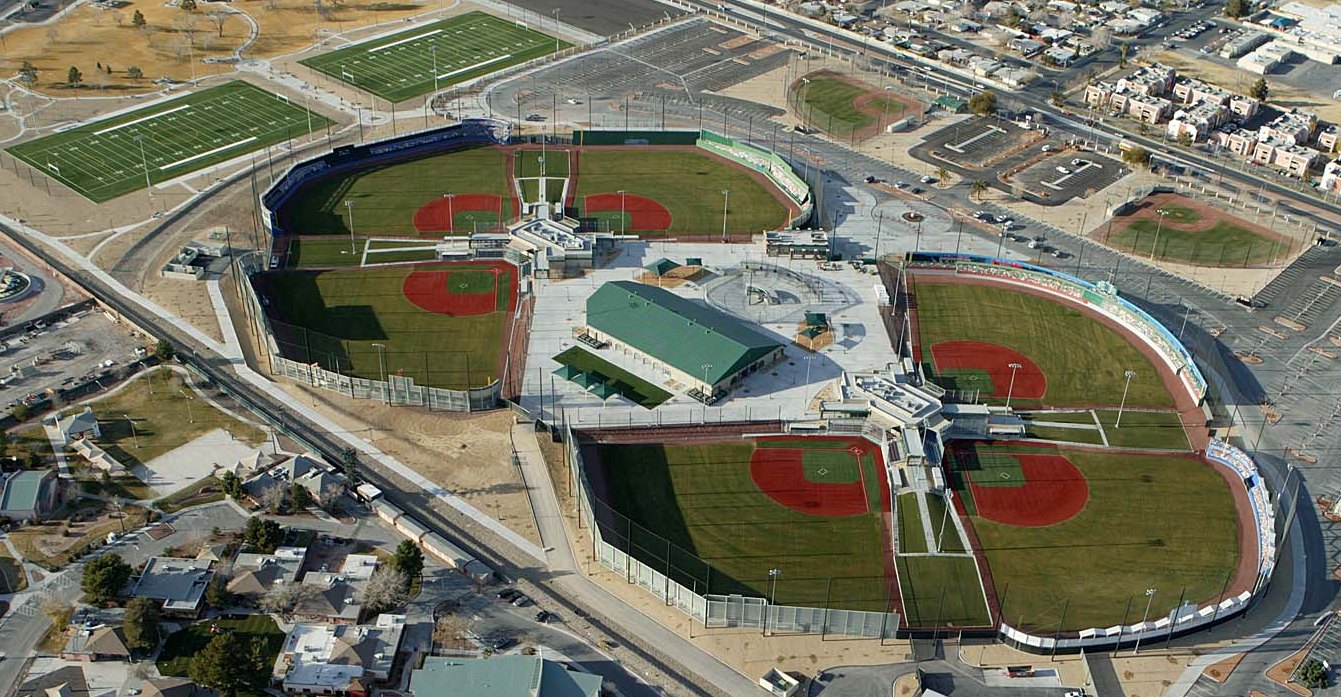
View the Big League Dreams Las Vegas project.
Baseball Netting Installation: Common Questions
How is backstop and foul line coverage determined?
Field geometry, seating, dugouts, walkways, adjacent roads and nearby property all affect the layout. We review the areas needing protection before recommending netting height, length and support locations. A system from another field is a useful reference, but it is not a substitute for planning around your facility.
What should we consider for batting cage netting?
Start with the available space, the number of hitting lanes and how players and staff will enter and move around the practice area. Indoor projects also need suitable attachment points and clearance around building fixtures. Outdoor installations need materials and supports selected for the site’s exposure and use.
Can you repair our batting cage net instead of replacing it?
Often, yes. Small holes and isolated damage can usually be repaired, while netting that is worn throughout may be better replaced. We look at the overall condition of the netting, cables and supports before recommending repair or replacement.
How should batting cage netting be maintained?
Check the netting regularly for holes and worn areas, especially where balls hit most often, and look for loose ties, cables and attachment points. Addressing small problems early helps keep a cage in service longer. We can inspect the system and handle repairs when needed.
Can existing poles and cables be reused?
Reuse depends on the condition of the supports and whether they suit the proposed netting. A panel replacement and an expansion of the protected area can place different demands on the system. We inspect the existing installation before recommending repair, reuse or replacement.
Can the work be planned around games and practices?
Share your season schedule, tournaments and access restrictions early. The work area and equipment access determine which parts of the facility may need to be closed during installation, and those requirements are built into project planning.
Where does NETServices install baseball netting?
We install baseball and batting cage netting for facilities throughout the United States.
Discuss Your Baseball Netting Project
Send us the facility location, site photos or a field plan, the areas needing protection and your preferred schedule. For batting cages, include the available dimensions and number of lanes. For repairs, include photos of the damaged netting and the full system.
Call 888-365-6387 or contact NETServices. You can also email support@netservicesus.com. We’re available Monday through Friday, 8 AM to 5 PM PT.