Litter Fence & Containment Systems

Landfill Litter Fence Netting
NETServices designs and installs litter fence and containment systems for landfills, recycling facilities and transfer stations nationwide. With over 24 years in business and 35 years of industry experience, we help facilities plan barriers around wind exposure, site operations and the areas needing protection.
We use American-made materials and install containment systems from Coastal Steel Pole Systems. Our work includes site planning, support structures, netting installation and maintenance.
Litter Fences and Containment Systems

Litter fences intercept windblown debris and help reduce cleanup beyond the working area. The height, position and supporting structure should reflect the site’s terrain, wind conditions and operating needs. Planning starts with where litter originates, the directions it can travel and the boundaries or neighboring areas needing protection.

Containment systems can direct litter toward the base of the fence. Designs may include outriggers, removable netting on cable systems and poles engineered for future relocation, depending on the project.
Transfer Stations and Recycling Facilities
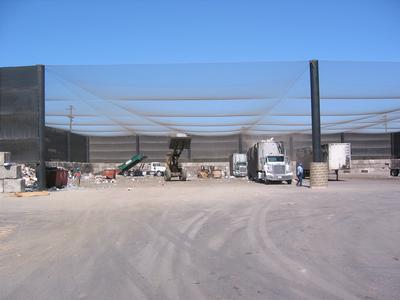
Netting barriers help contain loose material at transfer stations and recycling facilities. Side barriers and overhead netting may be considered where the layout calls for an enclosure. We plan around loading areas, vehicle and equipment clearances, access and surrounding property so the system supports day-to-day operations.
Portable Litter Barriers
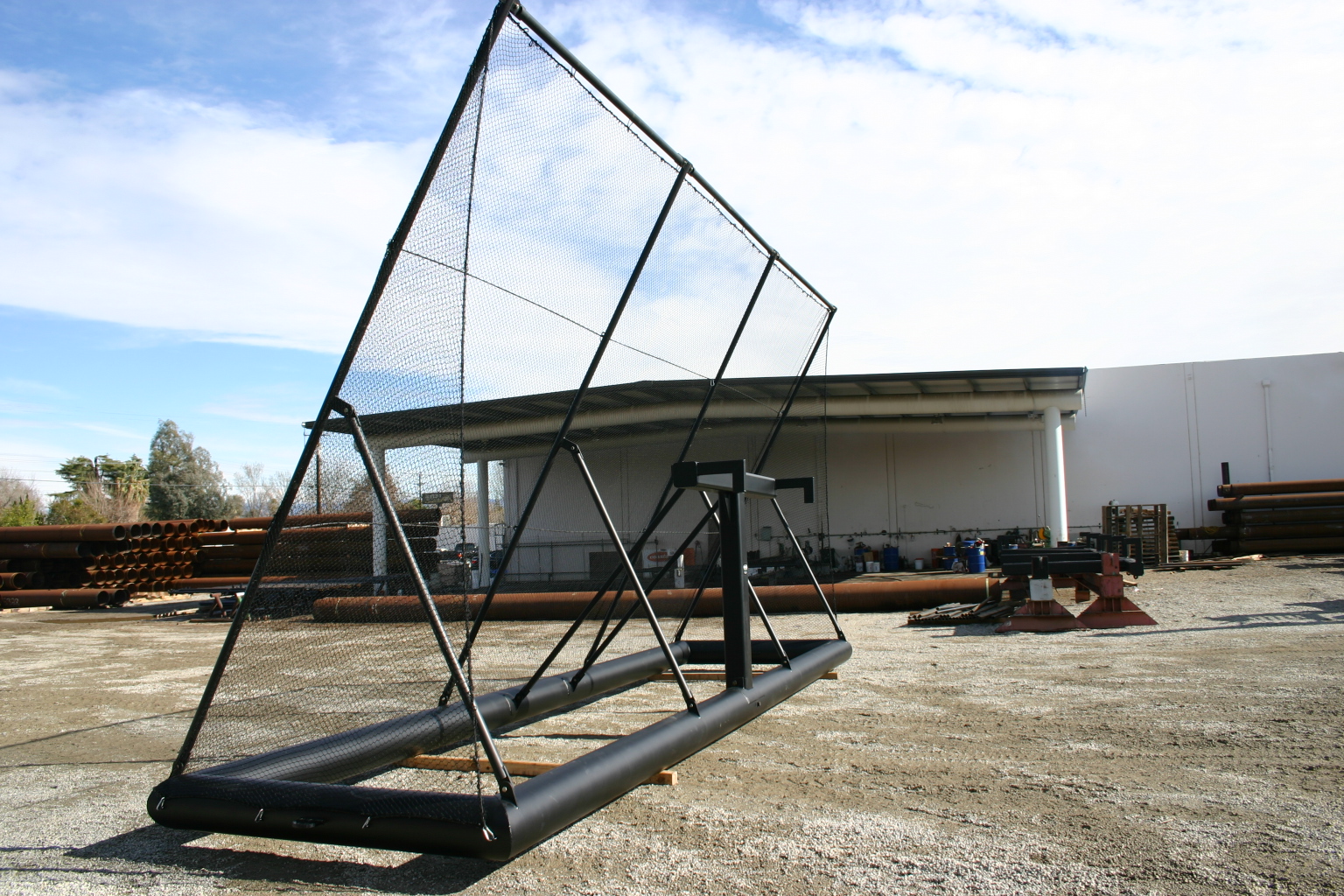
Portable barriers provide flexibility as landfill working areas change. Single or connected units can be repositioned using suitable equipment and tow cables. Placement and operation should follow the system’s design and site conditions.
Wind Screens and Dust Control

Our wind screens provide visual screening and up to 97% dust stoppage while maintaining airflow. Fabric options are available in different solid percentages to suit the application. We help select and install a system around the facility’s screening and dust-control needs.
Project Spotlight:
Skyline & East Oak Landfills
NETServices installed litter containment systems for Waste Management at Skyline Landfill in Ferris, Texas, and East Oak Landfill in Oklahoma City, Oklahoma. The work brought together steel support poles, concrete foundations, cables, attachment hardware and netting along the sites’ changing terrain.
The project specifications called for 2,500 linear feet at Skyline, primarily 25 feet above grade, with taller end poles to accommodate the slope. East Oak’s specified layout combined an 880-foot section at 25 feet high and a 1,700-foot section at 30 feet high, totaling 2,580 linear feet.
The project photographs follow construction through completed barriers. Follow-up photographs at East Oak show litter captured along the netting, providing a view of the system in service.
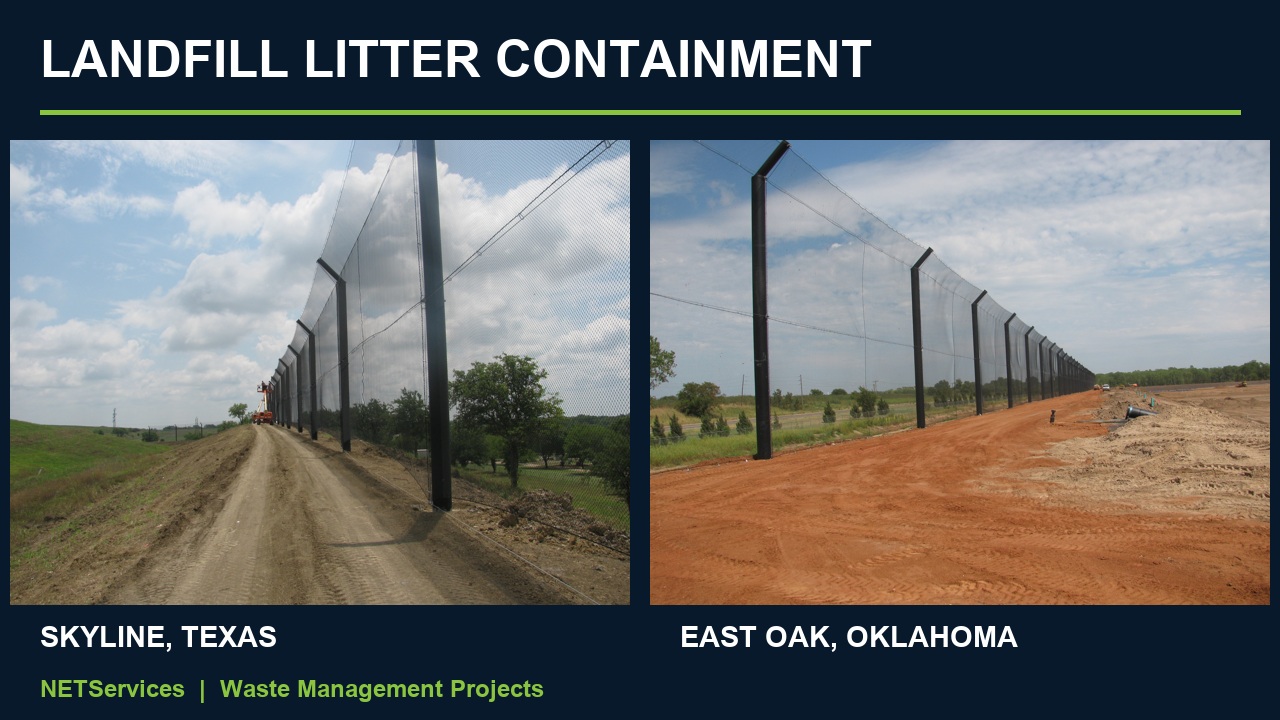
View the Skyline and East Oak landfill projects.
Planning Your Litter Containment System
Should we use a permanent litter fence or portable barriers?
A permanent system can provide containment along an established boundary or operating area. Portable barriers offer flexibility where the working area changes. The choice depends on the site’s layout, exposure, available space and how the facility operates; some sites may benefit from both.
What determines fence height and placement?
Terrain, wind exposure, the source of windblown material and the areas needing protection all matter. Pole locations and foundations must also be planned around site conditions and access. A system used at another landfill is a useful example, but its dimensions should not be treated as a specification for your facility.
What should be considered for maintenance?
Plan access for litter removal and inspection as part of the installation. Netting, attachment hardware, cables and supports need attention based on their condition and site exposure. If you have damaged panels or an existing system needing repair, photos of the affected area and the full barrier help us discuss the next step.
What information helps you plan a project?
Provide the facility location, a site plan or aerial view, photos and a description of where litter escapes. Include equipment access, operating constraints and anticipated changes to the working area. For an existing system, include its approximate dimensions and the concerns you want to address.
Plan Your Containment Project
Learn about our steel pole systems and design and engineering support. Call 888-365-6387 or contact NETServices to discuss landfill litter fence installation, replacement or repair.